Lymphoma

Precision Oncology for Lymphoma

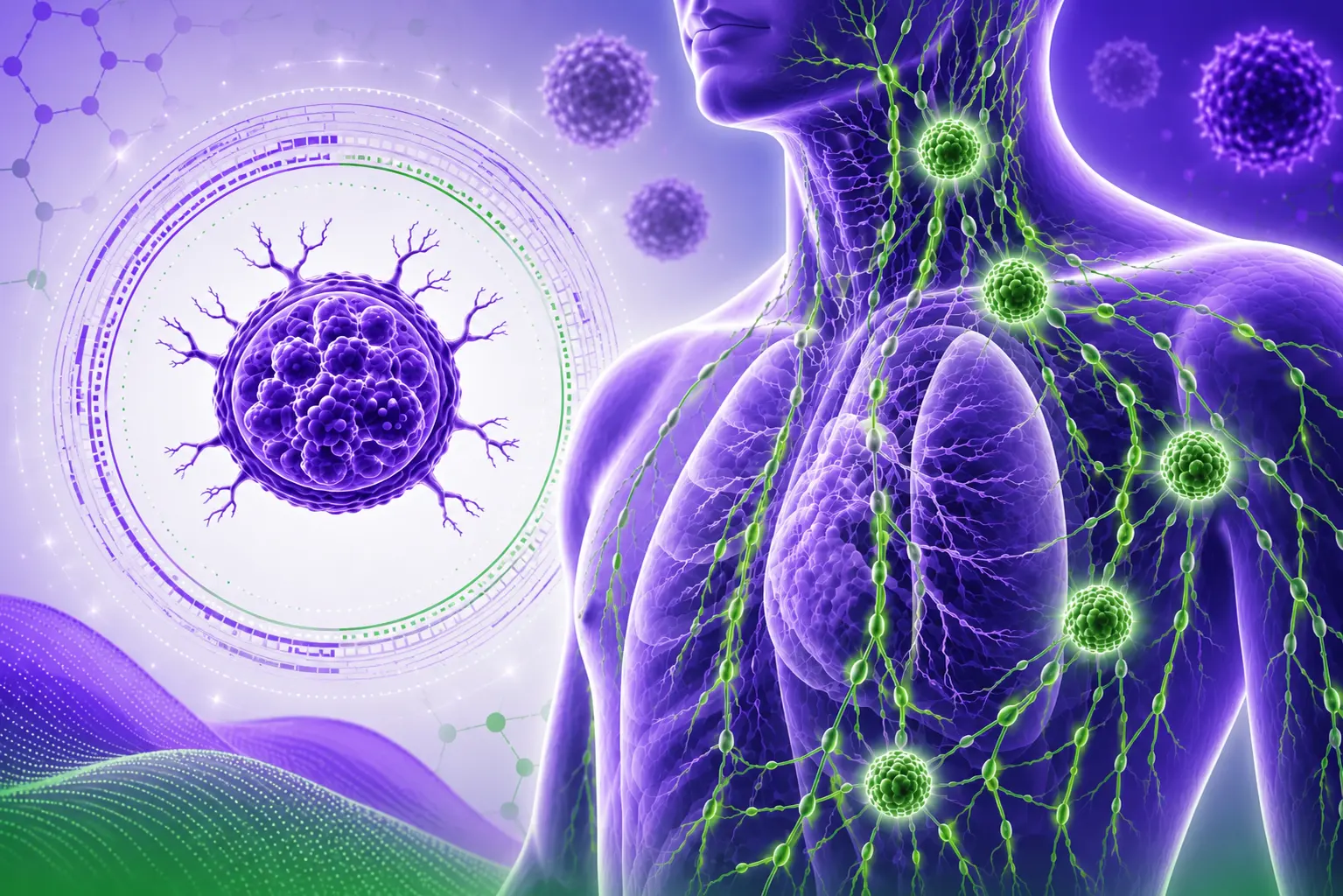
Lymphoma is a blood cancer caused by the abnormal growth of lymphocytes, a type of white blood cell that helps protect the body against infections. Comprehensive genomic profiling helps identify the most appropriate treatment strategy.

Early Detection
Precision Medicine
Better Outcomes
Breast Cancer

What is Lymphoma?

Lymphoma is a blood cancer caused by the abnormal growth of lymphocytes, a type of white blood cell that plays an essential role in fighting infections and supporting the body's immune system.

There are two major types of lymphoma: Hodgkin Lymphoma and Non-Hodgkin Lymphoma. Early diagnosis and precision oncology help guide personalized treatment decisions and improve outcomes.

Affects the lymphatic system
Includes Hodgkin & Non-Hodgkin lymphoma
Early diagnosis improves treatment success

Symptoms

  • Swollen lymph nodes
  • Persistent fatigue
  • Unexplained weight loss
  • Night sweats
  • Persistent fever
  • Recurring infections

Risk Factors

  • Weak immune system
  • Family history of lymphoma
  • HIV infection
  • Epstein–Barr virus (EBV)
  • Hepatitis C infection
  • H. pylori infection
  • Inflammatory bowel disease
  • Rheumatoid arthritis

Diagnosis and Treatment Options

Accurate diagnosis and molecular profiling play a crucial role in classifying lymphoma and selecting the most effective personalized treatment approach.

Diagnosis

1
Blood Tests

Evaluate blood cell counts and detect abnormalities associated with lymphoma.

2
Imaging

CT scan, MRI, or PET scan helps determine the extent of disease.

3
Biopsy & Genetic Testing

Confirms lymphoma type and identifies genomic alterations that guide treatment.

Treatment Options

Radiotherapy

High-energy radiation is used to destroy lymphoma cells in affected areas.

Chemotherapy

Anti-cancer medicines destroy rapidly growing lymphoma cells.

Targeted Therapy

Drugs target specific proteins or pathways involved in lymphoma growth.

Immunotherapy

Strengthens the immune system to recognize and attack lymphoma cells.

Stem Cell Transplantation

Replaces damaged bone marrow with healthy stem cells after intensive treatment.

Survival Outcomes

Prognosis depends on the lymphoma subtype, stage at diagnosis, patient's overall health, and response to treatment. Early diagnosis and advances in precision medicine continue to improve long-term survival.

Hodgkin Lymphoma

Based on patients treated in northeast peninsular Malaysia (2006–2018) with follow-up until 2021.

74.9%

3-Year Overall Survival (OS)

59.5%

3-Year Progression-Free Survival (PFS)

Five-Year Relative Survival

Estimated survival based on population statistics from the United States.

Hodgkin Lymphoma 88.9%
Non-Hodgkin Lymphoma 74.3%

Frequently Asked Questions

Most people diagnosed with lymphoma do not have a family history of the disease. However, having a close relative with lymphoma may slightly increase the risk.

Yes. Many patients achieve long-term remission or cure, particularly when lymphoma is diagnosed early and treated appropriately. Outcomes depend on the lymphoma subtype, stage, and response to treatment.

No. Lymphoma primarily affects the lymphatic system and lymph nodes, whereas leukemia mainly begins in the bone marrow and affects the blood.
Need Precision Oncology Testing?

Explore advanced molecular diagnostics and genomic profiling to support accurate diagnosis, prognosis, and personalized treatment decisions for lymphoma.