Liver Cancer

Precision Oncology for Liver Cancer

Liver cancer is the abnormal growth of cells in the liver. Primary liver cancer begins in the liver, while secondary liver cancer spreads to the liver from another part of the body. Comprehensive genomic profiling helps identify actionable biomarkers and supports personalized treatment decisions for improved patient outcomes.

Early Detection
Precision Medicine
Better Outcomes
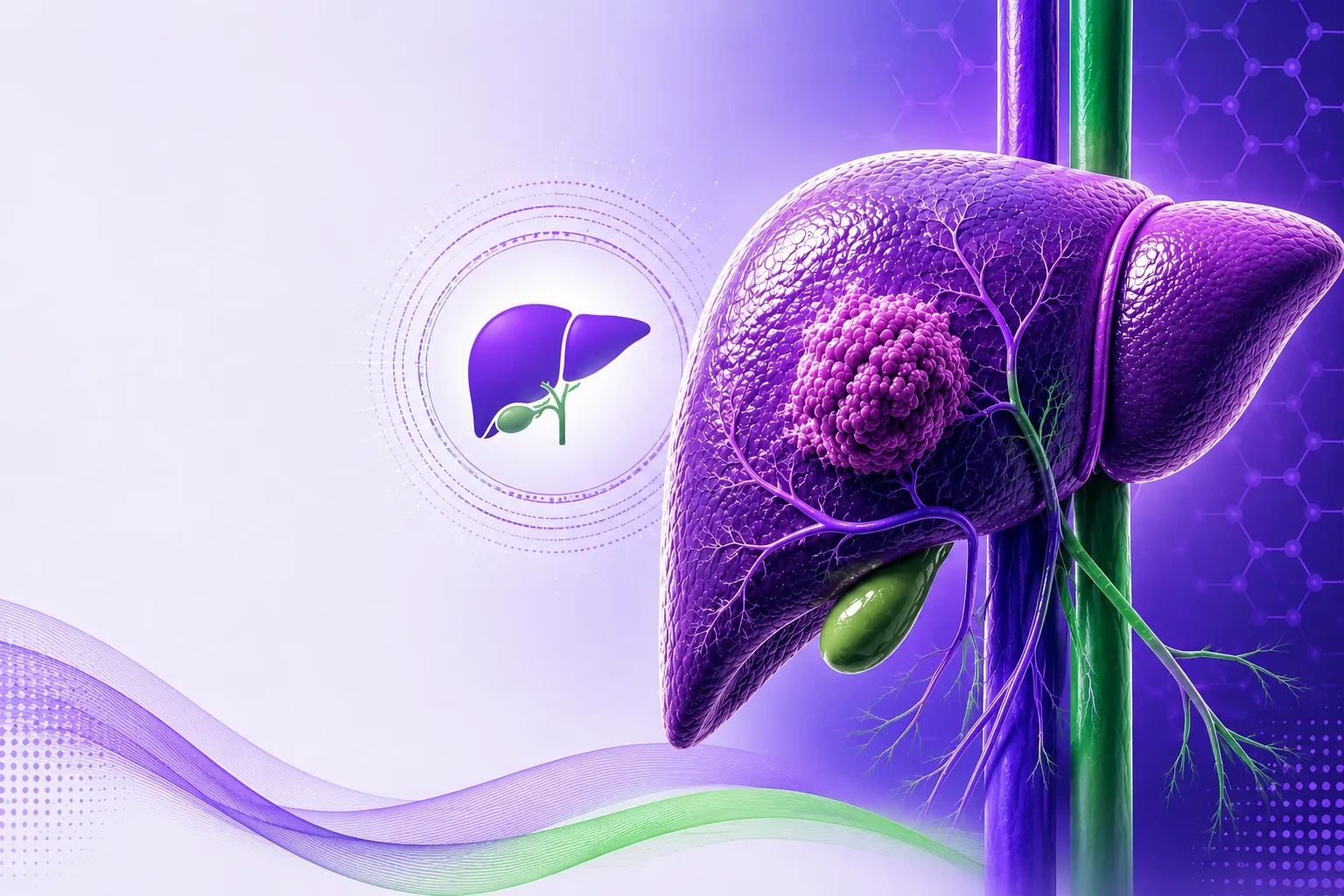
Liver Cancer

What is Liver Cancer?

Liver cancer is the abnormal growth of cells within the liver. Primary liver cancer originates in the liver, while secondary liver cancer develops elsewhere in the body and spreads to the liver.

Early diagnosis together with precision oncology and molecular profiling helps identify targeted treatment options and improve clinical outcomes.

Begins in the liver
Primary or secondary liver cancer
Early diagnosis improves survival

Symptoms

  • Early stages may have no symptoms
  • Dark urine or pale stools
  • Upper abdominal pain
  • Yellowing of skin or eyes (Jaundice)
  • Loss of appetite
  • Fatigue
  • Unexplained weight loss
  • Hard lump below the right rib cage
  • Easy bruising
  • Itchy skin

Risk Factors

  • Heavy alcohol consumption
  • Hepatitis B
  • Hepatitis C
  • Fatty liver disease
  • Liver cirrhosis
  • Type 2 diabetes
  • Overweight or obesity

Diagnosis and Treatment Options

Accurate diagnosis and molecular profiling are essential for determining the stage of liver cancer and selecting the most effective personalized treatment approach.

Diagnosis

1
Blood Tests

Blood tests evaluate liver function and measure tumour markers that may indicate liver cancer.

2
Imaging

Ultrasound, CT scan, and MRI help detect liver tumours, determine their size, and assess whether the cancer has spread.

3
Angiogram & Biopsy

An angiogram evaluates the liver's blood vessels, while a biopsy confirms the diagnosis by examining a tissue sample under a microscope.

Treatment Options

Surgery

Includes hepatectomy or liver transplantation depending on the size, stage, and location of the tumour.

Ablation Therapy

Uses extreme heat or cold to destroy tumours while preserving healthy liver tissue whenever possible.

Chemotherapy

Anti-cancer medicines help destroy or slow the growth of liver cancer cells.

Radiotherapy

High-energy radiation is used to destroy cancer cells while protecting surrounding healthy tissue.

Chemoembolisation

Delivers chemotherapy directly into the liver tumour while blocking its blood supply.

Radioembolisation

Tiny radioactive particles are delivered to the tumour to block blood flow and destroy cancer cells.

Targeted Therapy

Precision medicines target specific genetic changes responsible for tumour growth.

Immunotherapy

Activates the immune system to recognize and eliminate liver cancer cells.

Survival Outcomes

Prognosis depends on the stage of disease, liver function, overall health, and response to treatment. Early diagnosis offers more treatment options and better survival outcomes.

Five-Year Survival Rate

among liver cancer patients in Malaysia.

12.8%

Five-Year Survival

Median Survival

following diagnosis.

5.4

Months

Frequently Asked Questions

Stage I: A single small tumour confined to the liver.

Stage II: A larger tumour, multiple tumours, or cancer involving nearby blood vessels.

Stage III: Multiple or large tumours that may have spread to lymph nodes, major blood vessels, or nearby organs.

Stage IV: Cancer has spread to distant organs.

No. Many liver tumours are benign (non-cancerous). However, any liver tumour should be evaluated by a healthcare professional to determine the correct diagnosis and treatment.

When diagnosed early, liver cancer may be treated successfully with surgery, transplantation, or local therapies. Advanced liver cancer treatments focus on slowing disease progression, relieving symptoms, and improving quality of life.

Recommended Tests


Need Precision Oncology Testing?

Explore advanced molecular diagnostics and genomic profiling to support accurate diagnosis, prognosis, and personalized treatment decisions for liver cancer.