Colorectal Cancer

Precision Oncology for Colorectal Cancer

Colorectal cancer is the abnormal growth of cells that begins in the colon or rectum. Early diagnosis, molecular profiling and precision oncology help guide personalized treatment decisions and improve patient outcomes.

Early Detection
Precision Medicine
Better Outcomes
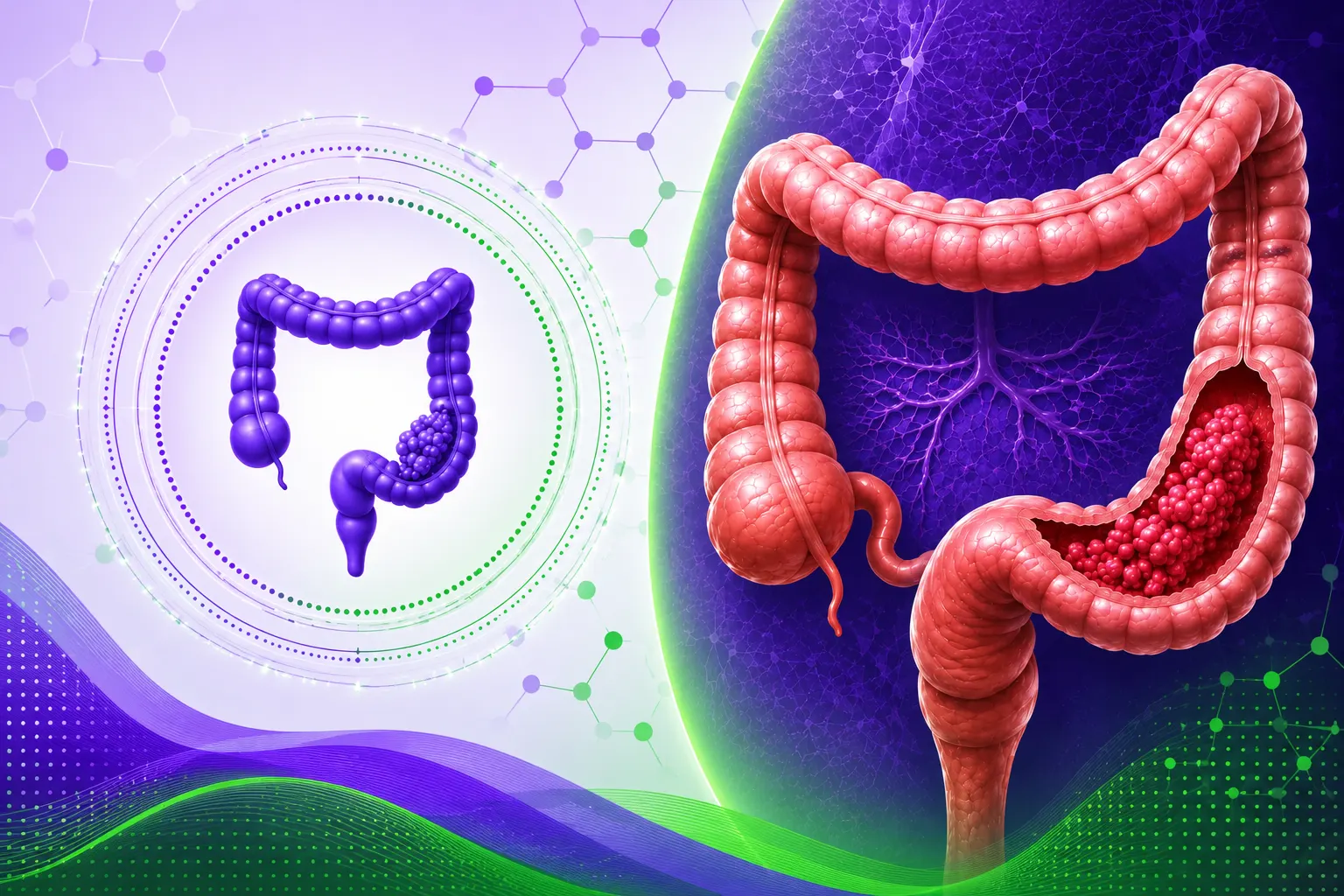
Colorectal Cancer

What is Colorectal Cancer?

Colorectal cancer is the abnormal growth of cells that starts in the large intestine (colon) or rectum.

It is often diagnosed at later stages, increasing the risk of complications. Early screening and precision oncology can help detect cancer sooner and guide personalized treatment.

Starts in the colon or rectum
Often develops without early symptoms
Early diagnosis improves survival

Symptoms

  • Changes in bowel habits
  • Blood in stool
  • Persistent abdominal pain
  • Bloating or cramps
  • Sudden unexplained weight loss
  • Constant fatigue
  • Iron deficiency anemia

Risk Factors

  • Age 50 years or older
  • Family history or Lynch syndrome
  • Previous colorectal cancer or polyps
  • Inflammatory bowel disease
  • Diet high in red or processed meat
  • Lack of physical activity
  • Overweight or obesity
  • Smoking or excessive alcohol use

Diagnosis and Treatment Option

Early diagnosis and precision oncology help identify the most effective treatment approach for colorectal cancer.

Diagnosis

1
Physical Examination

Assessment of the abdomen and symptoms.

2
CT Scan / MRI / Ultrasound

Imaging to evaluate tumour location and spread.

3
Colonoscopy / Sigmoidoscopy

Direct examination of the colon and rectum.

4
Biopsy

Confirms colorectal cancer through tissue analysis.

Treatment Options

Surgery

Colectomy – Removal of all or part of the colon.
Proctectomy – Removal of all or part of the rectum.

Radiotherapy

High-energy radiation used to shrink tumours before surgery or destroy cancer cells.

Chemotherapy

Drug treatment before or after surgery to reduce recurrence.

Targeted Therapy

Targets specific genetic mutations in cancer cells.

Immunotherapy

Helps the immune system identify and destroy cancer cells.

Survival by Stage of Diagnosis

Survival depends largely on the stage at diagnosis. Earlier detection generally leads to better treatment outcomes.

Relative Survival Rate Stage I Stage II Stage III Stage IV
1-Year Survival 87.8% 89.9% 86.0% 55.1%
5-Year Survival 75.8% 72.5% 55.6% 17.3%
*Survival rates vary based on individual patient factors and treatment.

Frequently Asked Questions

Not necessarily. Blood in stool can be caused by hemorrhoids, infections, inflammatory bowel disease, or other digestive conditions. However, persistent bleeding should always be evaluated by a healthcare professional as it may be an early sign of colorectal cancer.

Stool-Based Tests
• Fecal Occult Blood Test (FOBT)
• Fecal Immunochemical Test (FIT)

Visual Examination
• Colonoscopy
• Sigmoidoscopy

Yes. Colorectal cancer can recur if cancer cells remain after treatment or if the disease had already spread before treatment. Regular follow-up visits, imaging, blood tests, and colonoscopy are important for monitoring recurrence.
Need Precision Oncology Testing?

Discover advanced genomic profiling and molecular testing solutions to support early diagnosis, personalized treatment, and therapy selection for colorectal cancer.