Breast Cancer

Precision Oncology for Breast Cancer

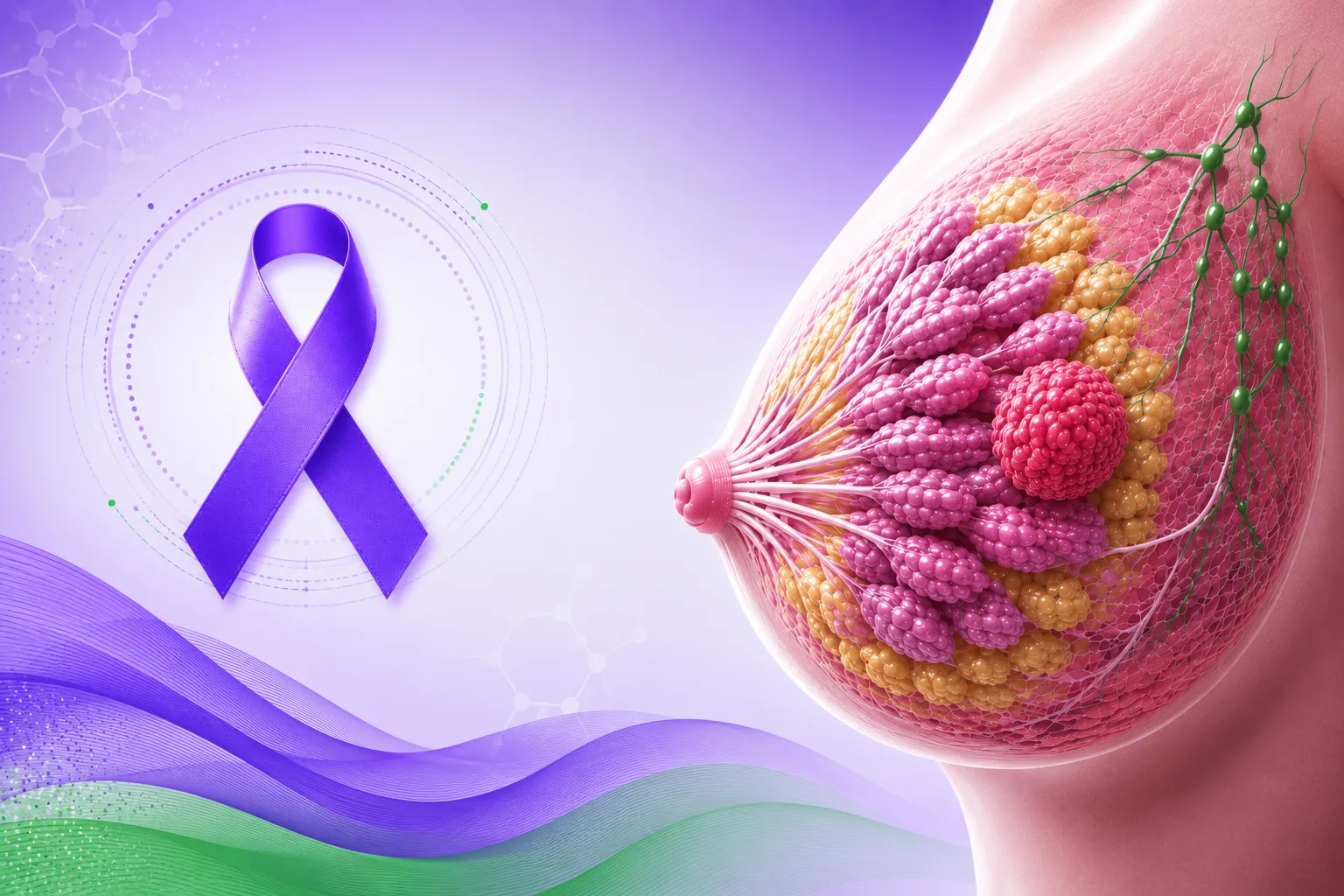
Breast cancer is the abnormal growth of cells that starts in the breast. Early diagnosis and genomic testing help doctors choose personalized treatment strategies and improve patient outcomes.

Early Detection
Precision Medicine
Better Outcomes
Breast Cancer

What is Breast Cancer?

Breast cancer is the abnormal growth of cells that starts in the breast. Although it is more common in women, anyone can develop breast cancer.

If left untreated, breast cancer may spread to other parts of the body (secondary or metastatic breast cancer). Early diagnosis and genomic testing help doctors select the most effective treatment.

Anyone can develop breast cancer
Early diagnosis improves survival
Precision oncology supports personalized treatment

Symptoms

  • Lump in the breast or armpit
  • Breast swelling
  • Change in breast size or shape
  • Redness or darkened skin
  • Nipple inversion or rash
  • Skin dimpling (orange peel appearance)

Risk Factors

  • Women aged 55 years or older
  • Family history of breast cancer
  • Previous benign breast disease
  • First period before age 12
  • Menopause after age 55
  • Radiation exposure before age 30

Diagnosis and Treatment Options

Accurate diagnosis and precision oncology help doctors choose the most effective treatment plan for every patient.

Diagnosis

1
Physical Examination

Clinical examination of the breasts.

2
Mammogram

Breast X-ray to detect abnormalities.

3
Ultrasound / MRI

Provides detailed breast imaging.

4
Biopsy

Confirms cancer by testing tissue samples.

Treatment Options

Surgery

Lumpectomy or Mastectomy depending on the stage.

Radiotherapy

High-energy radiation to destroy cancer cells.

Chemotherapy

Drug treatment before or after surgery.

Hormone Therapy

For hormone-sensitive breast cancers.

Targeted Therapy

Targets specific cancer biomarkers.

Immunotherapy

Strengthens the immune system to fight cancer.

Survival by Stage of Diagnosis

Survival depends largely on the stage at diagnosis. Earlier detection generally leads to better treatment outcomes.

5-Year Relative Survival Rates

The SEER (Surveillance, Epidemiology, and End Results) program estimates survival based on how far breast cancer has spread at the time of diagnosis. These numbers are based on women diagnosed with breast cancer between 2015 and 2021.

SEER Stage 5-Year Relative Survival
Localized >99%
Regional >87%
Distant >33%
All SEER Stages Combined 92%
SEER: Surveillance, Epidemiology, and End Results.
SEER Stage: Describes how far the cancer has grown and spread from where it started.

Frequently Asked Questions

Stage 0: Non-invasive cancer.
Stage I–III: Invasive cancer with increasing size and spread.
Stage IV: Cancer has spread beyond the breast to distant organs.

• Maintain a healthy weight
• Exercise regularly
• Limit alcohol consumption
• Avoid smoking
• Perform regular self-examinations
• Follow recommended screening schedules

Follow-up care includes regular check-ups, monitoring for recurrence, adopting healthy lifestyle habits, and ongoing communication with your healthcare team.

Recommended Tests


Need Precision Oncology Testing?

Discover advanced genomic testing solutions to support diagnosis and personalized treatment planning.